
Reclined on a night flight, 90 minutes of steady jet engine drone
Put the seat back, pull the blanket up and let the engines carry the room. For ninety minutes the cabin holds one deep, even drone above a sea of moonlit cloud, with no seatbelt chimes, no word from the flight deck and no trolley coming down the aisle.
Watch on YouTube · SleepBetter channel · Nature & Night Sky
Made with AI. Parts of this video are AI-generated (see “How this was made” below).
What it is
The same overnight flight as the rest of our cabin videos, at the length between the hour and the full night. You look out from a window seat over moonlit cloud while the wingtip light blinks slowly. The picture starts to dim at 3:00 and is close to black from 10:00, so after that it is only the sound. The chapters are night flight above the clouds (0:00), screen begins to dim (3:00), dark screen with the sound carrying on (10:00), halfway (45:00) and a gentle fade-out from 1:29:00, so the drone eases away rather than stopping dead.
Why ninety minutes
An hour is often enough to fall asleep, but not on nights when you lie there for a while first. Ninety minutes gives you that extra half hour and still lets the room go quiet later, which some people prefer to a sound that runs until the alarm. It is also roughly the length people quote for one sleep cycle, a handy round number, though nobody’s cycles run to a stopwatch. If you tend to wake the moment a sound stops, pick the 8-hour flight instead; if you want to know when to go to bed for your alarm, the sleep calculator works backwards from your wake-up time.
Which length to pick
Every length uses the same cabin and the same mix. The 15-minute flight is a quick reset, 30 minutes suits a nap, 45 minutes is a short bedtime wind-down, and this one covers a slow night. If you like a gentle rhythm under your noise, the 90-minute night train is the same length with rain and the soft clack of the rails. For a thirteen-second taste first, out cold on planes is cut from this cabin.
Sound design note
Nothing was recorded on a real plane. The cabin roar, the low engine hum and a brown-noise floor are generated by SleepBetter’s own sound engine, with no samples and no loops, so the drone never falls into a pattern you can learn. It sits between white and brown noise: airy on top, deep underneath. Set it low, about the level of a quiet conversation or below; our safe volume guide has two quick checks, and the white noise guide explains how a steady sound covers the bumps and voices that wake you.
How this was made
This video’s picture is AI-generated: an AI still image of the window view above the clouds, gently animated with an AI video model, with slow moving light and a softly blinking wing light added by SleepBetter, looped and colour-graded. Audio: jet cabin roar, low engine hum and a brown-noise floor generated by SleepBetter’s own sound engine (no samples, no loops). No voice, no music.
Questions
Are there announcements, chimes or turbulence?
No. It is only the steady drone of the cabin, with no announcements, seatbelt chimes or bumps.
When does the screen go dark?
The window view starts to dim at 3:00 and is near-black from 10:00. The sound fades out gently from 1:29:00.
How is it different from the 1-hour and 8-hour flights?
Same cabin and same sound. The hour fades out from 59:00, this one from 1:29:00, and the 8-hour version runs all night and goes dark sooner.
Keep watching
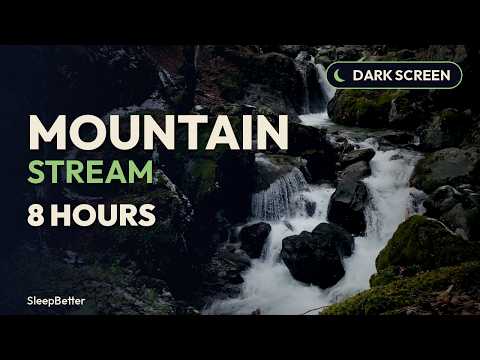 Video · 8 hours
Mossy mountain stream, 8 hours
Close water babble over mossy stones, with a distant breeze. 8 hours.
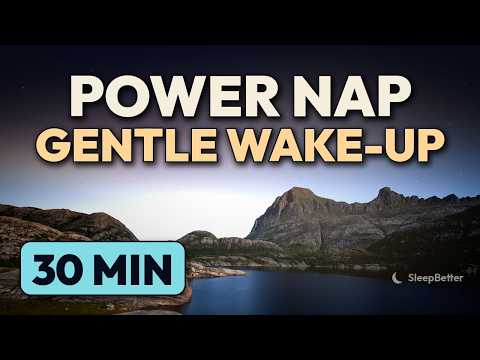 Video · 30 minutes
30 minute power nap with a gentle wake-up chime
Calm lake ambience for a short nap, then soft chimes and light to wake you.
 Video · 45 minutes
Airplane white noise, a 45-minute night flight
A window over moonlit clouds and the steady roar of a jet cabin. 45 minutes.
SoundWhite noise for sleep
The bright, even hiss that covers voices best. How to set it up so it isn't harsh.
Free toolSleep calculator
Pick a wake-up time and get bedtimes that line up with roughly 90-minute sleep cycles, or work forward from tonight.
Sleep videos and guided relaxation are for general wellness, not medical advice. If poor sleep is affecting your days, talk to a doctor or a sleep specialist.